The Australian Furniture Association is helping bring practical carbon capability into the furniture sector, and one of the clearest lessons emerging from this work is that better carbon data leads to better product decisions.
Through Rebuilt’s pilot work with furniture manufacturers, businesses are moving beyond broad assumptions and generic averages to understand the components, materials and design choices that shape the footprint of each product. That is where the real opportunity sits, not just in measuring emissions for reporting, but in designing lower carbon furniture, reducing component impacts and unlocking more circular commercial models.
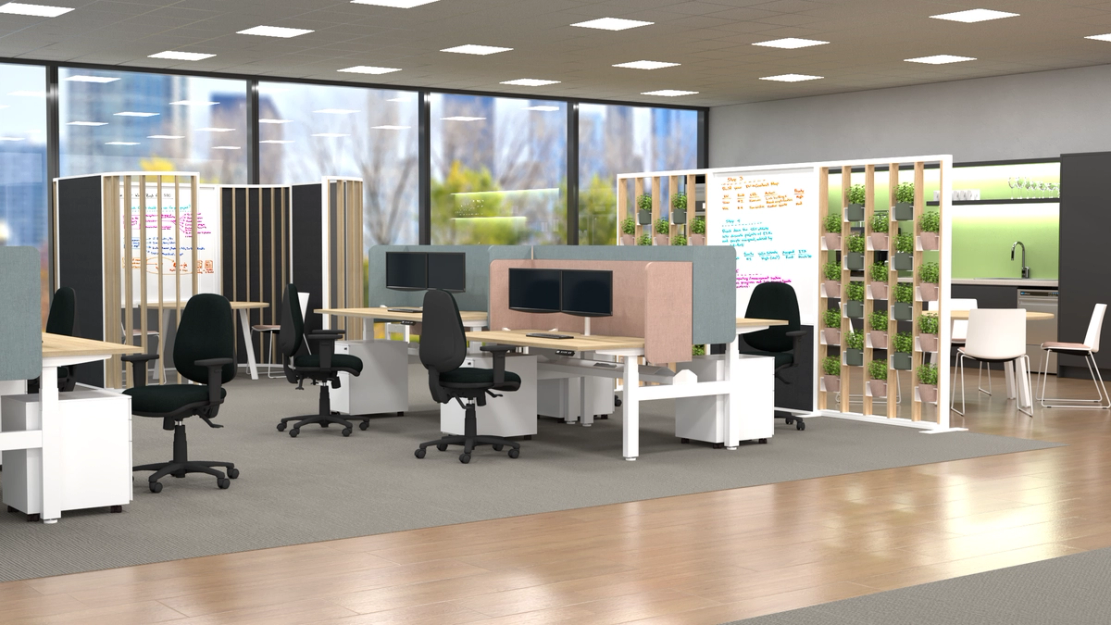
Better carbon data does not just improve reporting. It helps manufacturers make better product decisions.
Why product-level carbon data matters
For many furniture products, the carbon story is hidden inside the bill of materials. A chair, workstation or table might look simple from the outside, but behind it sits a complex mix of metals, plastics, foam, fabrics, mechanisms, finishes and transport inputs. Until manufacturers can see how those components contribute to footprint, it is very difficult to know where the best reduction opportunities are.
That is why the Australian Furniture Association’s engagement in this space matters. It helps shift the conversation from high-level sustainability ambition to practical, product-level action. Rebuilt’s work is showing that once businesses understand component complexity, they are much better placed to identify hotspots, explore lower footprint alternatives and make informed design and procurement decisions.
From estimates to decision-grade data
One of the biggest shifts Rebuilt is helping manufacturers make is moving away from category-level assumptions and towards verified product-specific footprints.
For many manufacturers, the starting point is a typical office chair category range of roughly 40 to 90 kg CO2e, with spend-based reporting proxies of around 72 kg CO2e[1]. Those figures may be useful for high-level reporting, but they do not show where emissions sit, which materials are driving them, or what should change next.
A verified Product Carbon Footprint does. It reveals the actual cradle to gate profile of the product and shows where the hotspots really are. In furniture, that often means metals, foam and plastics, which makes it possible to target the parts of the product where change will matter most.
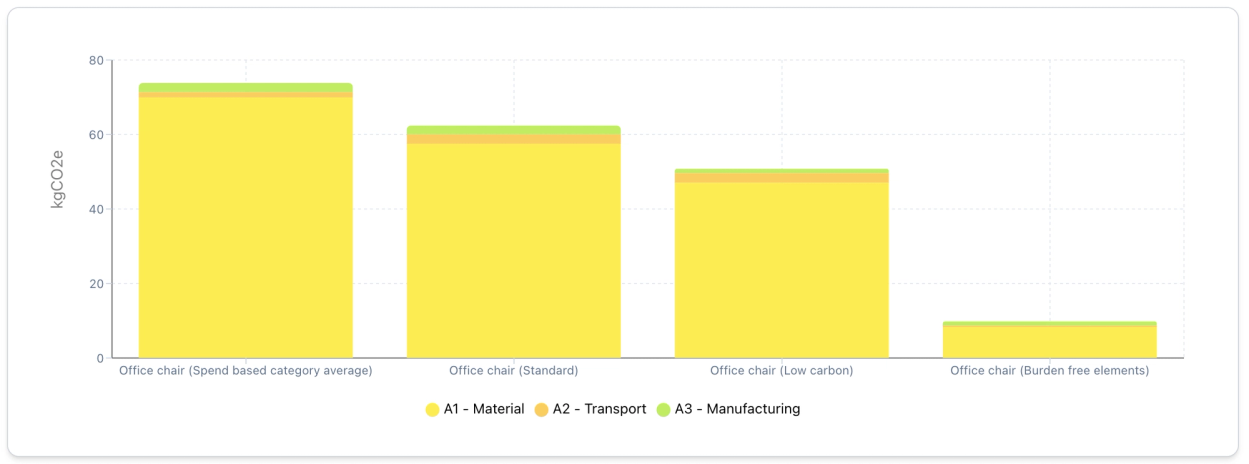
Category averages can provide a starting point, but verified Product Carbon Footprints show manufacturers where the real opportunities sit.
Chair Solutions shows what this looks like in practice
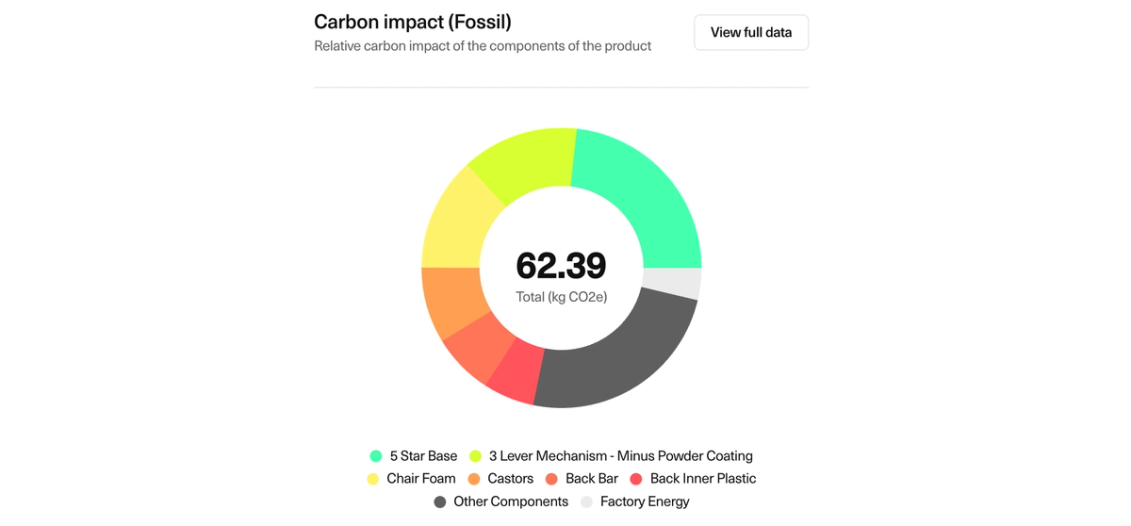
Chair Solutions is one of the strongest examples. As its case study shows, the challenge was not willingness; it was complexity. The Delta 135 chair is made up of many interdependent parts, each with its own material profile and sourcing story. Rebuilt helped break that complexity down into something structured and decision-ready, enabling Chair Solutions to convert a detailed product architecture into a verified Product Carbon Footprint.
The result was a footprint of 62.39 kg CO2e per chair.This already demonstrates that they are delivering products to customers that are 10 percent lower than the generic spend-based value.The PCF also gives the business clearer insight into sourcing choices, material use, transport impacts and future improvement opportunities. Readers wanting more detail can explore the Chair Solutions case study.
Where the biggest opportunities sit
Rebuilt’s analysis is showing that increasing recycled content can make a meaningful difference, particularly in emissions-intensive materials such as metals and plastics. But even more important is the role of refurbishment and take-back models.
In a circular procurement and refurbishment model, where manufacturers retain core structural elements and repair and replace only required components, the carbon savings can be dramatic. That kind of model reduces demand for virgin material, extends product life, lowers annualised embodied carbon, and creates a stronger circular value proposition for customers.
In the refurbishment scenario examined through this work, retaining the structural frame, base and mechanism while replacing selected parts such as fabric and castors reduced embodied carbon by around 85 percent compared to a new equivalent. It also extended product life from around five years to as much as 10 to 15 years.
Recycled content matters, but refurbishment and take-back models can reduce embodied carbon even more dramatically.
What this means for the sector
District Australia’s MOTO Workstation is a useful example of this broader direction, showing how modularity, reconfiguration, and extended service life can support lower carbon outcomes. Workspace and Cultivated are also currently undertaking Rebuilt Product Carbon Footprints, reinforcing that this is part of a broader shift across the furniture sector.
What is emerging through this work is a stronger model for the sector. Product Carbon Footprints are not just a reporting tool. They are a design tool, a procurement tool, a product development tool, and increasingly a commercial tool. They help manufacturers move beyond generic averages and into the details that support better decisions.
For manufacturers, the message is clear. The more clearly you understand the components of a product, the more power you have to reduce its footprint, improve its performance and design for a lower carbon future.
Talk to us
If you are a furniture manufacturer, talk to Rebuilt today about developing a Product Carbon Footprint for your products.
If you are a designer, specifier or delivering fitouts, search the Rebuilt Marketplace to find credible product carbon data and explore lower carbon furniture options with greater confidence.
[1] Australian National Accounts: Input-Output Tables, ABS Website, accessed 26 February 2026.
Discover more
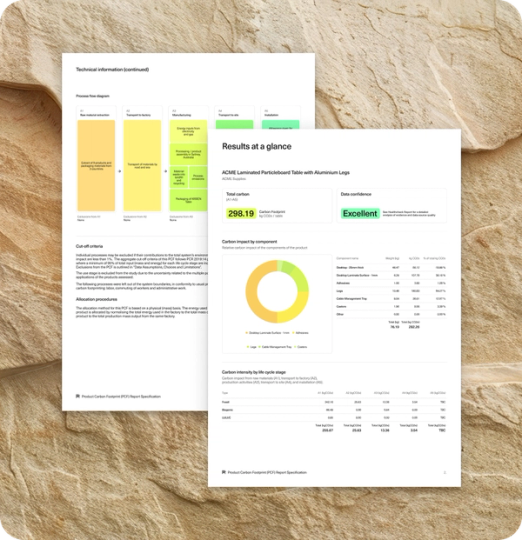
Corporates won’t hit their carbon targets without fixing this data problem
Insights

Recycled, recyclable, or just wishful thinking?
Insights
From product carbon to product innovation, what Rebuilt’s work with furniture manufacturers is showing
Insights
EPD or PCF? How to keep building product-specific data working hard in a capital-constrained economy
Insights
Product Carbon Footprint Labels: Quantifying the Value of Circular Materials in Reshaping Construction
Insights

Make carbon a feature, not a footnote: Turn every chair, workstation, and panel into verified data
Insights